



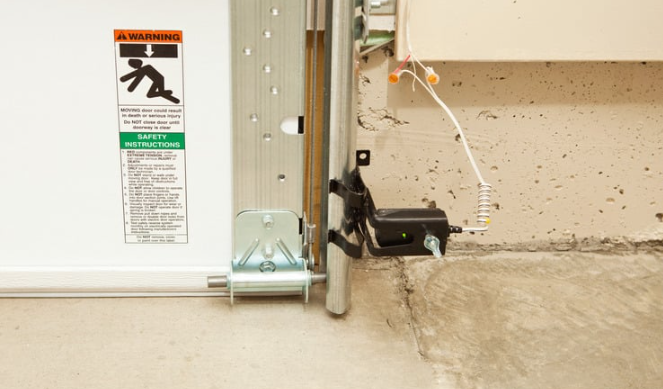
Garage door safety sensors are an important part of modern automatic garage door systems. Installed near the bottom of the door tracks, they use an invisible infrared beam to detect objects and prevent the door from closing if something is in the way. These sensors also work together with the garage door opener system, which controls the motor and overall operation of the door.
When garage door sensor lights start blinking, it usually signals a problem such as sensor misalignment, an obstruction, wiring issues, or the need for garage door opener repair. These issues can cause the garage door to stop closing or reverse unexpectedly.
In Colorado Springs, CO, frequent garage use, dust, and seasonal weather changes can affect how sensors and garage door opener components perform over time. Understanding why sensor lights blink helps homeowners recognize issues early and keep their garage door system operating safely.
Sensor Misalignment
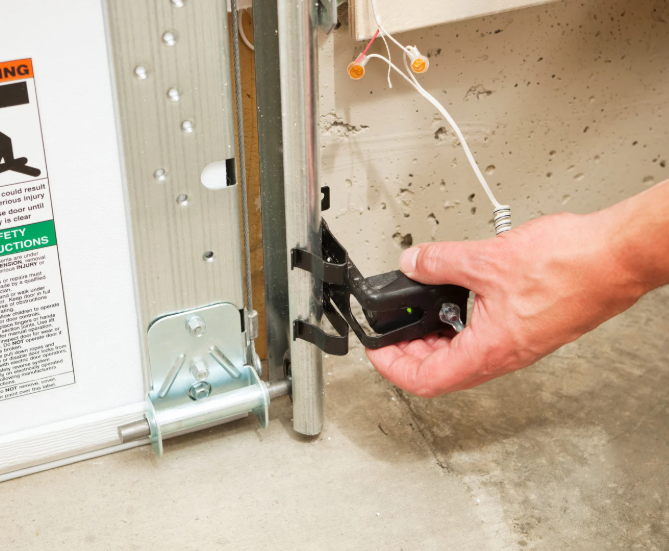
One of the most common reasons garage door sensor lights blink is sensor misalignment. Garage door safety sensors must face each other directly in order to maintain a steady infrared beam. If the beam is interrupted, the garage door opener assumes there may be an obstruction and prevents the door from closing.
Even a small shift in the sensor position can break the beam connection.
Misalignment can happen for several reasons:
- Accidental bumps from tools, bikes, or storage bins
- Vibrations from regular garage door movement
- Loose mounting brackets
- Seasonal temperature changes affecting hardware
When sensors become slightly tilted or no longer point directly at each other, one of the lights may start blinking to signal a communication problem.
What to check:
Look at both sensors near the bottom of the garage door tracks. If one appears angled or not directly facing the other, alignment could be the issue.
Prevention tip:
Avoid placing large storage items close to the sensor area, where they could accidentally shift the sensor brackets.
For additional guidance on proper sensor indicators, the blog What Color Should Garage Door Sensor Lights Be? explains what normal sensor lights should look like and what they mean.
Dirt or Debris on the Sensor Lens
Another common cause of blinking lights is a dirty sensor lens. Garage door sensors use a small glass or plastic lens to send and receive the infrared beam. If this lens becomes covered with dust or debris, the signal may weaken or become interrupted.
Homes in Colorado Springs often experience dry weather and windy conditions, which can cause dust to accumulate inside garages. Over time, this dust can collect on the sensor lenses.
Common debris that can affect sensors includes:
- Dust buildup
- Spider webs
- Dirt particles
- Garage cleaning residue
When the beam becomes partially blocked, the system may respond by blinking the sensor lights.
What to check:
Inspect the front of each sensor to see if the lens looks cloudy, dusty, or covered with debris.
Prevention tip:
Cleaning the garage occasionally and wiping the sensor lenses as part of seasonal garage maintenance can help prevent this issue.
For more insight about sensor light indicators, the blog Why Are Garage Door Sensor Lights Red and Green? explains what these colors typically mean for garage door safety sensors.
Objects Blocking the Sensor Path
Garage door safety sensors rely on a clear, unobstructed path between both sensors. If anything blocks the invisible beam, the system will prevent the door from closing.
Even small objects can interfere with the sensor beam.
Common obstructions include:
- Storage containers
- Gardening tools
- Trash cans
- Children’s toys
- Sports equipment
Sometimes the obstruction is not obvious. A small object sitting directly in the beam path near the floor can cause the sensors to blink.
What to check:
Look along the bottom of the garage door opening between both sensors. Make sure nothing is sitting in the path of the beam.
Prevention tip:
Keeping the lower portion of the garage organized and free from clutter helps maintain proper sensor function.
For more details about unusual sensor behavior, see the blog What Causes Inconsistent Garage Door Sensor Lights? explores other reasons sensor lights may not work consistently.
Loose or Damaged Sensor Wiring
Garage door sensors are connected to the garage door opener system using low-voltage wiring. If these wires become loose or damaged, the sensors may lose communication with the opener.
Over time, wiring can become affected by:
- Rodent damage
- Frayed insulation
- Loose connections
- Wear from age
When wiring problems occur, the sensor lights may blink irregularly or turn off completely.
What to check:
Look for visible signs of damaged wiring near the sensors or along the wall where the wires run toward the garage door opener.
Electrical issues often require professional inspection because the wiring connects directly to the opener system.
Repairs related to garage door sensor wiring typically involve moderate service costs depending on the system and the extent of the damage.
Sunlight Interference
Direct sunlight can sometimes interfere with garage door sensors. The sensors use infrared light to communicate, and strong sunlight entering the garage at certain angles may temporarily disrupt the beam.
In Colorado Springs, bright sunshine and garage orientation can increase the chances of sunlight interference during certain times of the day.
Common signs include:
- Sensor lights are blinking only during certain hours
- The garage door refuses to close during the afternoon
- Sensors are working normally later in the evening
What to check:
Observe whether the blinking occurs when sunlight shines directly on one of the sensors.
Prevention tip:
Simple shading solutions or slight adjustments to the sensor position can sometimes help reduce sunlight interference.
Faulty Garage Door Sensors
Like any electronic component, garage door sensors can wear out over time. Older sensors may eventually fail due to internal electrical problems or environmental exposure.
Possible causes of sensor failure include:
- Age and long-term use
- Moisture exposure
- Electrical wear
- Internal component failure
When sensors become faulty, blinking lights may continue even after cleaning and alignment checks.
Signs of failing sensors may include:
- Persistent blinking lights
- Sensors that randomly stop working
- Lights that fail to turn on at all
In many cases, replacing the sensors restores proper operation. Sensor replacement is typically considered a relatively affordable repair for most garage door systems.
Garage Door Opener System Issues
Sometimes the sensors are not the main problem. Blinking lights can also occur when there is an issue within the garage door opener unit itself.
The opener acts as the central control system for the garage door, and it relies on signals from the safety sensors.
Possible opener-related issues include:
- Logic board malfunction
- Electrical connection problems
- Internal wiring issues
- Power supply interruptions
If sensors appear clean, aligned, and unobstructed but blinking continues, the issue may involve the opener system rather than the sensors.
A professional technician can inspect the opener and determine whether the problem originates from the control board or the safety system.
What Garage Door Sensor Lights Should Normally Look Like
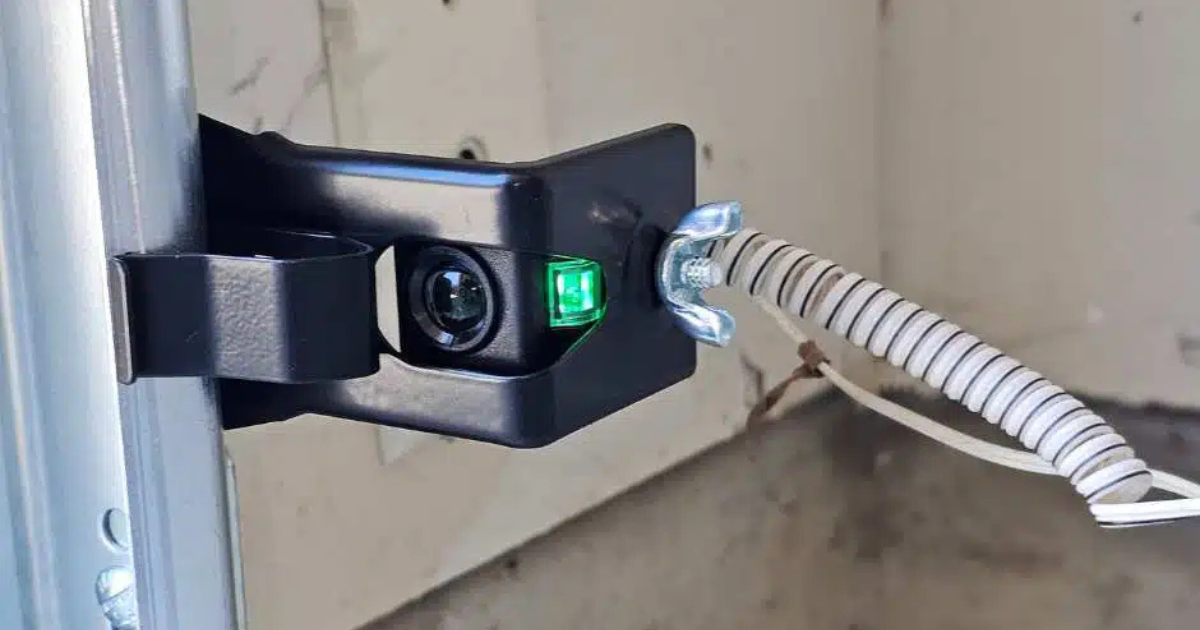
Under normal conditions, most garage door safety sensors display two steady indicator lights.
Many systems typically show:
- One solid green light
- One solid amber or yellow light
These lights indicate that the sensors are properly aligned and the infrared beam connection is functioning correctly.
Blinking lights, dim lights, or lights that turn off completely usually signal a problem such as:
- Sensor misalignment
- Beam obstruction
- Electrical wiring issues
- Faulty sensors
Understanding how the lights normally behave makes it easier to recognize when the system requires attention.
Quick Things Homeowners in Colorado Springs Can Check
Before assuming a major problem, several simple checks may help identify the cause of blinking garage door sensor lights.
Common things to look for include:
- Objects blocking the sensor beam
- Sensors that appear tilted or misaligned
- Dust or debris on the sensor lenses
- Loose sensor brackets
- Sunlight shining directly into the sensors
Because many homes in Colorado Springs use garage doors as the primary entrance, the system often operates multiple times daily. Frequent use can gradually affect alignment and component performance.
Observing these simple factors can sometimes help determine whether the issue is minor or requires professional attention.
How to Help Prevent Garage Door Sensor Problems
Several simple habits can help keep garage door sensors working properly:
- Keep storage items away from the sensor area
- Clean the sensor lenses occasionally
- Avoid bumping sensors when moving tools or equipment
- Inspect the sensor brackets during garage cleaning
- Schedule periodic garage door inspections
Preventive care helps ensure the garage door opener and safety sensors continue operating reliably throughout the year. For properties that require enhanced security and controlled entry, professional access control installation can also help improve overall access management alongside garage door systems.
When to Call a Garage Door Professional
Some sensor issues can be identified with a quick visual inspection. However, professional service may be necessary if the problem continues.
Consider contacting a garage door technician if:
- Sensor lights remain off
- Blinking continues despite alignment checks
- The garage door refuses to close consistently
- Wiring damage is suspected
- The garage door opener system shows signs of malfunction
Professional technicians can safely inspect the entire garage door system, including sensor alignment, electrical connections, and the garage door opener unit. In situations where the garage door stops working unexpectedly or creates a safety concern, emergency garage door service may be necessary to restore safe operation as quickly as possible.
Prompt attention helps ensure the garage door operates safely and maintains its built-in safety protections.
Understanding Why Garage Door Sensor Lights Blink
Blinking garage door sensor lights usually indicate that the safety system has detected a problem. In many cases, the issue is related to sensor alignment, obstructions, dirt buildup, wiring concerns, or problems connected to the garage door opener system.
Environmental conditions, frequent garage use, and normal wear can also contribute to sensor problems over time. Homes in Colorado Springs, CO, may experience these issues more often due to dust, bright sunlight, and seasonal temperature changes. In some situations, older systems may benefit from a professional garage door opener installation to ensure the safety sensors and opener technology work together properly.
Recognizing the most common causes of blinking sensor lights allows homeowners to understand when the garage door system needs attention. Regular inspection and basic maintenance can help keep garage door safety sensors functioning reliably and protect the operation of the entire garage door system.
Professional Help for Blinking Garage Door Sensor Lights
For homeowners who continue experiencing blinking sensor lights or inconsistent garage door performance, a professional inspection can help identify underlying issues quickly. Ascension Garage Door Service provides experienced garage door technicians who can carefully inspect safety sensors, wiring connections, and the entire garage door opener system to ensure everything operates safely and reliably. Scheduling a professional evaluation can help restore smooth garage door operation and prevent future problems. Contact us today or give us a call to schedule a professional garage door inspection.