


A garage door is one of the heaviest moving objects in most homes. It runs up and down thousands of times a year, and a big part of what keeps that heavy panel moving smoothly comes down to a couple of thin steel cables. When one of those cables starts to fray or snaps, the whole door can go crooked, get stuck, or slam down without warning. In some cases, that same failure ties back to a broken garage door spring repair, since the cables and springs work as a team.
So a fair question comes up a lot from homeowners here in Colorado Springs: is it safe to replace garage door cables on your own? This guide breaks down the real answer, the warning signs to watch for, and what smart homeowners should do next. It sticks to the facts, keeps things simple, and points toward safe solutions instead of risky shortcuts, so you know when a simple check is enough and when it is time to call for professional garage door repair.
Quick answer: For most homeowners, replacing garage door cables is not a safe do-it-yourself job. The cables work under extreme tension and sit right next to springs that can cause serious injury. In almost every case, garage door cable replacement should be handled by a trained, licensed technician.
What Garage Door Cables Actually Do
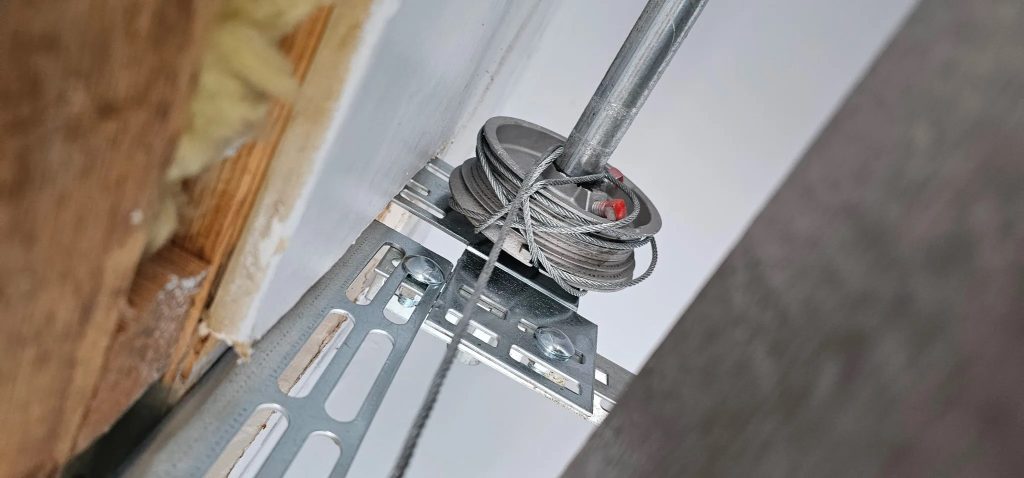
Garage door cables are the thin steel wires that run along both sides of the door. They connect the bottom of the door to a drum near the top, and they work together with the torsion or extension springs to lift and lower that heavy panel.
Think of it like this. The springs do most of the heavy lifting, and the cables carry the load and keep the door balanced. When everything works right, the door glides. When a garage door cable slips, frays, or breaks, that balance is gone in an instant.
Because a garage door cable is small and quiet, plenty of people never notice it until something goes wrong. That is exactly why understanding its job matters before deciding whether to replace garage door cables yourself or call a pro.
For a closer look at the signs that point to worn-out cables, check out the guide “When to Replace Garage Door Cables.“
The Short Answer: Is DIY Cable Replacement Safe?
For most people, the honest answer is no. Replacing garage door cables is not a beginner-friendly task, and here is why that matters.
The cables run right next to the springs, and those springs hold a huge amount of stored energy. One wrong move can release that energy fast, which is how injuries happen. Trained technicians use special tools, winding bars, and safety steps that most homeowners simply do not own.
There is also the matter of doing the job correctly. A cable that is installed even a little bit off can throw the whole garage door system out of balance. That can wear out the opener, damage the tracks, and lead to bigger repair bills down the road.
Handy homeowners can absolutely handle small tasks like lubricating rollers or tightening loose hardware. Garage door cable repair that involves the tension side of the door is a different story. This is one of the few home projects where the safest and smartest choice is to bring in help.
Curious how long cables should last before they need swapping? The guide “How Often Should You Replace Garage Door Cables?” breaks it down.
Why Garage Door Cables Are So Dangerous to Handle
The danger comes down to one word: tension. A garage door can weigh well over one hundred pounds, and the cables plus springs hold all of that weight in a state of constant, high pressure.
When a garage door cable is attached correctly, that tension stays locked in place. The problem starts the moment someone tries to loosen, remove, or adjust it without the right training. That stored energy has to go somewhere, and if it releases suddenly, it can whip a cable or spring across the garage at high speed.
Emergency rooms across the country see injuries every year from people trying to fix springs and cables on their own. Broken fingers, deep cuts, and worse are all on the list. For homeowners in Colorado Springs who value a working weekend and healthy hands, this is not the place to take a gamble.
That is the core reason professionals stress caution around replacing garage door cables. It is not about selling a service. It is about the fact that the tension involved is genuinely dangerous.
To see what can go wrong when worn cables get ignored, take a look at the guide “What Happens If You Don’t Replace Garage Door Cables?“
Warning Signs Your Garage Door Cable Needs Attention
Catching a problem early can save a lot of stress. Watch for these signs that a garage door cable may be wearing out or ready to fail:
- The door looks crooked or uneven. If one side hangs lower than the other, a cable may be slipping off its drum.
- The door is stuck or hard to open. A snapped or frayed cable can stop the door from moving the way it should.
- You see loose or dangling cables. A cable hanging free is a clear sign something has come apart.
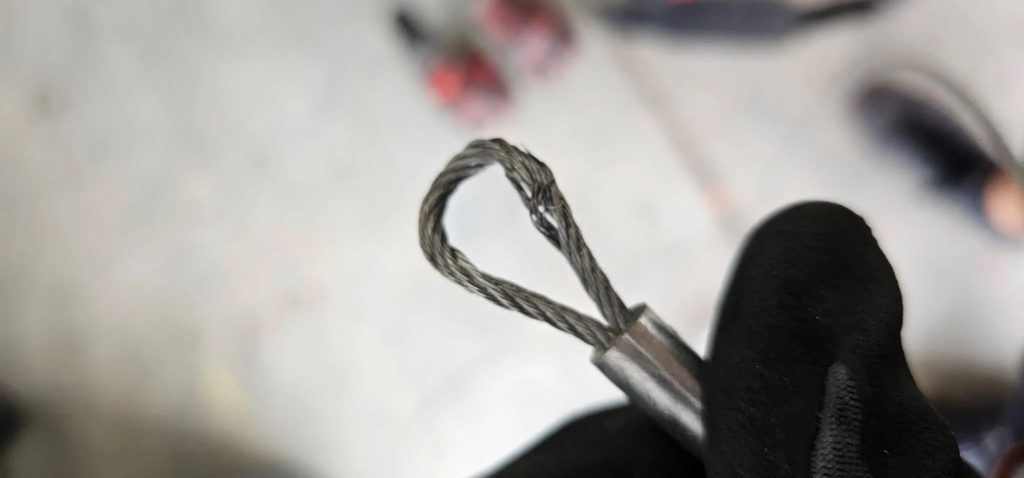
- You spot fraying or rust. Small broken strands or reddish rust spots mean the cable is weakening.
- The door slams or drops fast. A door that comes down harder than normal may have a cable that is no longer carrying the load.
- Odd grinding or popping sounds. Strange noises during operation often point to a cable or spring issue.
If any of these show up, stop using the door and avoid forcing it. Running a garage door with a bad cable can turn a simple garage door cable replacement into a much larger repair.
What to Check Before You Call a Pro
You do not need to fix the cable yourself to be a smart homeowner. A few safe checks can help you understand the situation and give the technician useful details.
- First, look at both sides of the door from a safe distance. Note whether one cable looks loose, frayed, or off its track. Do not touch or pull on it.
- Second, check whether the door is even and level when closed. A tilted door usually points to a cable or spring problem.
- Third, listen the next time the door runs, if it runs at all. Grinding, popping, or scraping sounds are worth mentioning.
- Fourth, unplug the garage door opener if the door is stuck. Forcing the opener against a jammed door can burn out the motor and add to the cost.
Writing down what you notice gives the technician a head start. It also helps you feel confident that the garage door cable repair is being handled the right way. What you should not do is try to release tension, remove a spring, or pull the cable back onto the drum yourself.
Common Causes of Cable Failure in Colorado Springs
Local conditions play a bigger role than most homeowners expect. Colorado Springs sits at a high elevation with dry air, big temperature swings, and plenty of snow and ice through the colder months. All of that affects a garage door system over time.
- Cold and moisture cause rust. Snow, road salt, and melting ice can splash onto cables and hardware. Over the seasons, that moisture leads to rust, and rust weakens a garage door cable fast.
- Temperature swings stress the metal. Warm afternoons and freezing nights make metal expand and contract. That constant movement can wear cables down sooner than in milder climates.
- Dry mountain air adds friction. Low humidity can dry out lubrication, which makes cables and rollers work harder than they should.
- Heavy use during winter. Many local families use the garage as their main entrance during snowy months, which means more daily cycles and more wear.
Knowing these local factors helps Colorado Springs homeowners stay ahead of trouble. Cables here often need attention a bit sooner than they might in a warmer, drier region, so regular checkups matter.
How to Avoid Garage Door Cable Problems
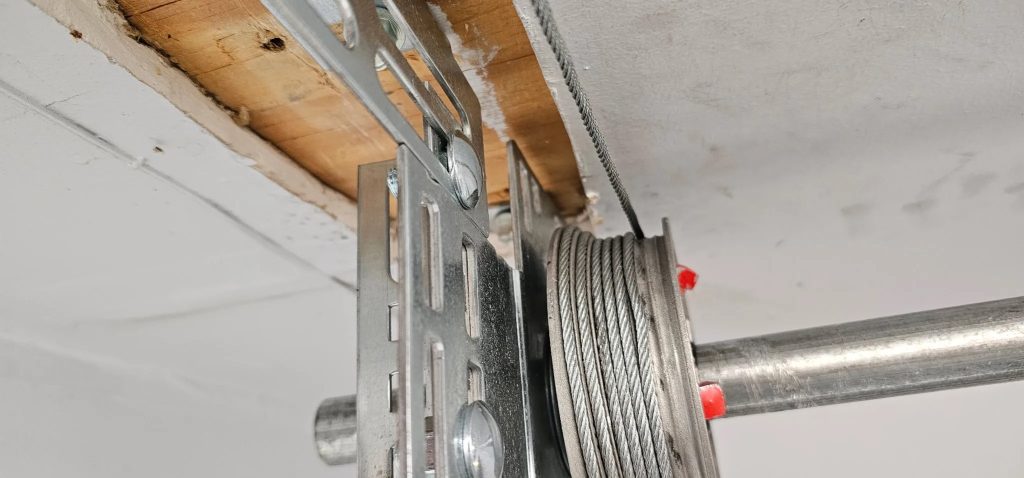
The good news is that a few simple habits can help you avoid the need to replace garage door cables before their time. None of these involve touching the high tension parts, so they are safe for most homeowners.
- Do a monthly look-over. Spend two minutes checking cables, rollers, and springs for fraying, rust, or anything hanging loose.
- Keep things clean. Wipe road salt and grime off the hardware during winter to slow down rust.
- Lubricate the moving parts. A garage-door-safe lubricant on rollers and hinges keeps the whole system running smoothly. Skip spraying directly on cables unless a technician recommends it.
- Listen while it runs. New sounds are early warnings. Grinding or popping deserves a closer look.
- Do not ignore small problems. A slightly crooked door or a minor squeak can grow into a full garage door cable replacement if left alone.
- Schedule a yearly tune-up. A professional inspection once a year catches wear before it becomes a breakdown, which is one of the best ways to protect your garage door system.
These small steps go a long way. Regular care is far cheaper and safer than an emergency call after a cable snaps.
What Professional Cable Replacement Involves
Understanding what a technician actually does can make the service feel less mysterious. While the tension side is off-limits for homeowners, there is no harm in knowing the general steps.
A trained technician starts by inspecting the full garage door system, not just the broken part. Cables rarely fail on their own, so they check the springs, drums, rollers, and tracks too. Then they carefully manage the tension using proper winding bars and safety gear before removing the old cable.
Next comes replacing the garage door cable with the correct size and type for that specific door. A cable that is too thin or too long will not hold up. After installation, the technician balances the door, tests the travel, and confirms that the opener works smoothly and safely.
This full-system approach is a big reason garage door cable repair is best left to pros. They fix the cause, not just the symptom, which helps the repair last.
What the Average Cost Looks Like
Cost is always on a homeowner’s mind, and it is fair to want a general idea before booking service. Prices vary based on the door size, the type of cable, and whether the springs need work at the same time.
On average, garage door cable replacement is one of the more affordable garage door repairs, especially when only the cables need attention. If a spring has also failed, which happens often, the average cost goes up because more parts and labor are involved.
Many local companies in Colorado Springs offer free estimates, so it is easy to get a clear number before agreeing to anything. Beware of any quote that seems far below the local average, since that can point to low-quality cables or unlicensed work. A fair price for quality parts and a trained technician is worth far more than a cheap fix that fails again in a few months.
How to Choose a Trusted Garage Door Company in Colorado Springs
Since replacing garage door cables should be a professional job, choosing the right company is the real decision homeowners need to get right. Here is what to look for.
- Local experience. A company that knows Colorado Springs weather understands how the climate affects cables and springs.
- Proper licensing and insurance. This protects you if anything goes wrong during the repair.
- Strong reviews. Look for steady, recent feedback from other local homeowners.
- Clear estimates. A trustworthy company explains the work and the average cost up front, with no surprise fees.
- Warranty on parts and labor. A guarantee shows the company stands behind its garage door cable repair work.
- Fast response times. A broken cable can trap a car in the garage, so quick service matters.
Taking a few minutes to check these points helps you avoid headaches and get a repair that actually lasts.
Your Safest Next Step
So, is it safe to replace garage door cables on your own? For the vast majority of homeowners, the answer is no. The high tension, the nearby springs, and the risk of an unbalanced door make this one of the few jobs that truly belongs to a trained professional. The same goes for related work like garage door drum and cable services, where proper tools and training make all the difference.
The smart path is simple. Watch for the warning signs, do the safe checks, keep up with basic care, and call a licensed local technician when a cable shows trouble. Whether the fix is a quick cable swap or something bigger like garage door panel replacement services, homeowners in Colorado Springs who follow that approach protect their door, their opener, and most importantly, themselves. A working garage door cable is easy to take for granted, right up until the day it isn’t, so a little attention now saves a lot of trouble later.
Trust the Local Cable Experts
When it comes to safe, reliable garage door cable repair in Colorado Springs, Ascension Garage Door Service is a name homeowners can count on. With local experience, licensed and insured technicians, and a genuine commitment to doing the job right the first time, the team knows exactly how the local climate affects your cables, springs, and overall garage door system. Fair pricing, honest estimates, and fast response times make getting your door back to smooth, safe operation easier than ever. Do not risk your safety on a dangerous DIY fix. Contact us today or give us a call to schedule your inspection or garage door cable replacement.