


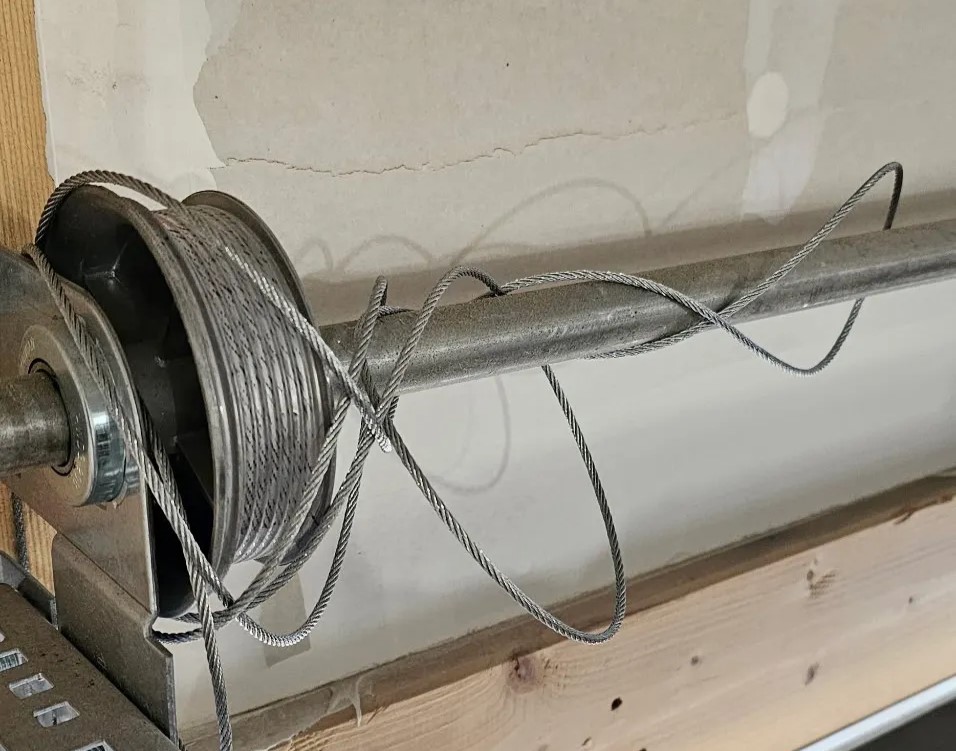
Most people never think about the thin steel lines running along each side of the garage door. They stay quiet and out of sight, doing heavy work every single day. But those cables carry a huge amount of tension, and when they start to fail, the whole door can stop working, or worse, come crashing down. Knowing when to replace garage door cables can save a Colorado Springs homeowner from a dangerous surprise and a much bigger repair bill down the road.
Cables rarely fail on their own, either. They often go hand in hand with worn springs, which is why broken garage door spring repair and garage door cable work are frequently handled together. This guide breaks down the clear warning signs, what to look for, and how to keep these parts healthy in the high, dry, and often snowy conditions along the Front Range. A little attention now can save a homeowner from a much larger garage door repair later.
What Garage Door Cables Do and Why They Matter
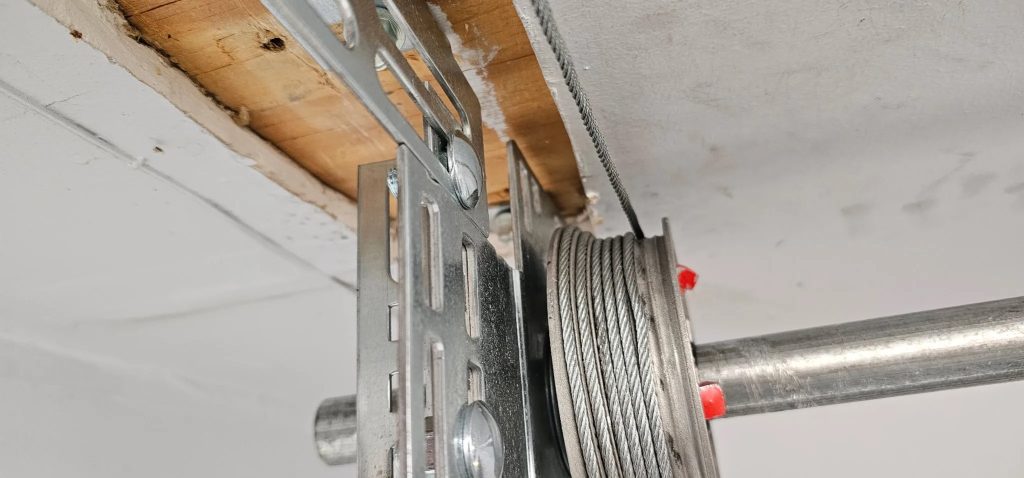
A typical residential garage door weighs anywhere from 130 to over 350 pounds. The springs handle most of that weight, but the cables are what actually lift and lower the door in a smooth, controlled way. They work with the springs and drums to keep both sides moving evenly.
When a cable is worn or snaps, that balance disappears fast. The door may drop suddenly, tilt to one side, or refuse to move at all. Because a single garage door cable holds so much tension, treating early warning signs seriously is one of the smartest things a homeowner can do.
Want to know how often these parts really need attention? Check out the guide “How Often Should You Replace Garage Door Cables?” for a closer look.
8 Warning Signs It’s Time to Replace Garage Door Cables
Here are the eight signs that tell you it may be time for garage door cable replacement. Some are easy to spot, and some are easy to ignore until they turn into a bigger problem.
1. Frayed, Kinked, or Broken Strands
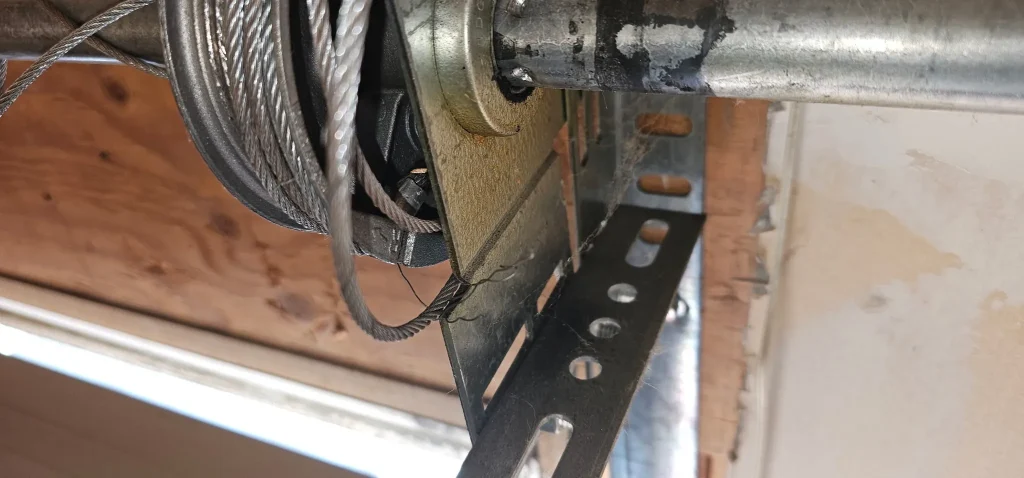
A garage door cable is made of many tiny steel wires twisted together. Over time, those wires can start to unwind, fray, or fuzz out, almost like the end of an old rope. If you see loose strands sticking out, bent kinks, or spots where the cable looks thinner, that is a strong sign it is weakening.
Frayed cables rarely get better on their own. Once the strands start breaking, the rest of the cable is under more strain, and failure can happen quickly. This is one of the clearest reasons to replace garage door cables before they snap.
2. The Door Hangs Crooked or Sits Unevenly
Stand back and look at the door as it closes. Does one side touch the floor before the other? Does the door look tilted or crooked in the tracks? Uneven movement often points to a cable that is stretched, slipping, or already failing on one side.
A door that sits unevenly puts extra pressure on the opener, rollers, and tracks. Catching this early can turn a simple garage door cable repair into a much smaller job than a full system fix later.
3. Loose or Slack Cables
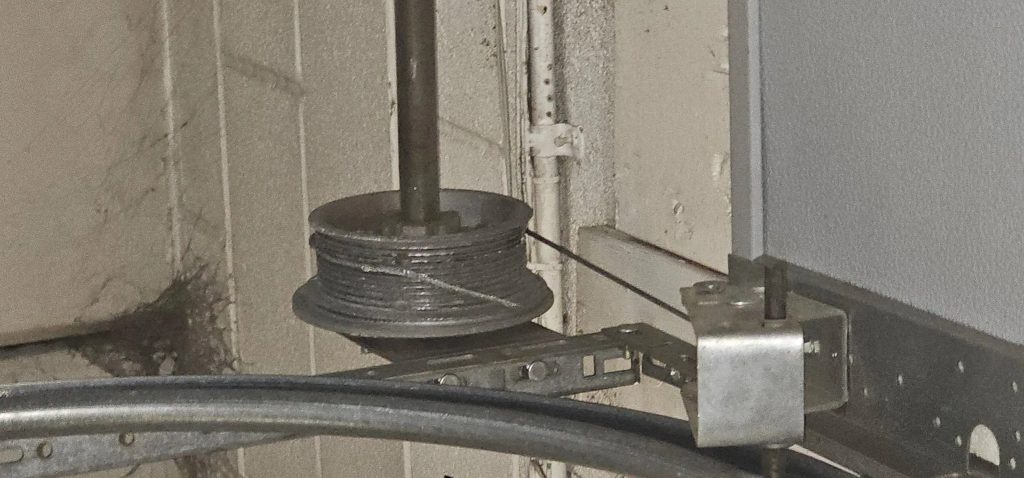
A healthy cable stays snug and stays wrapped neatly around the drum. If a cable looks loose, droopy, or hangs away from the drum, something has gone wrong with the tension. Slack cables can jump the track, get tangled, or cause the door to slam down.
Loose cables are a common early red flag. They often show up after a spring weakens or after the door has been forced open or closed. Either way, this is a moment to stop using the door and have it checked.
4. Rust, Corrosion, and Weather Damage
Rust is a cable killer. Moisture from melting snow, road salt tracked in on tires, and humidity swings can all cause corrosion. Rusted steel becomes brittle, loses strength, and breaks far sooner than clean cable would.
In Colorado Springs, where snow, slush, and dry air trade places all winter, corrosion is a real concern. If a cable looks orange, flaky, or pitted, replacing garage door cables sooner rather than later is the safer choice.
5. Jerky, Sticky, or Uneven Movement
A garage door should glide open and closed. When cables wear out or start slipping, the door may move in a jerky, stop-and-go way. It might hesitate, shudder, or feel like it is fighting itself.
This rough movement is not just annoying. It signals that the parts are no longer working together the way they should. Ignoring it usually leads to more damage across the whole door system.
6. A Cable Has Slipped Off the Drum
At the top corners of the door sit the cable drums, which are grooved wheels that wind the cable as the door moves. When a cable comes off its drum, the door often stops working right away and may look badly off balance.
A cable that has jumped the drum is a clear stop-and-call situation. It usually means the tension is off, and a technician needs to inspect the springs, drums, and cables together before anything else moves.
7. Loud Snapping or Popping Sounds
A sudden bang or loud pop from the garage is one of the scariest signs. It often means a cable or spring has snapped under tension. If that happens, the door may hang crooked, slam shut, or freeze in place.
Never try to open a door after hearing that kind of noise. A snapped cable leaves the entire system under uneven, unpredictable pressure. This is the point where garage door cable repair becomes urgent, not optional.
8. Old Age and Years of Colorado Springs Wear
Even without dramatic damage, cables simply wear out. Most last several years, but daily use adds up fast for a busy family that opens the door many times a day. Age alone can be a fair reason to replace garage door cables, especially if the door is more than seven to ten years old and has never had new cables installed.
Local weather speeds this timeline up. That leads right into the next point.
Curious about the risks of putting this off? The article “What Happens If You Don’t Replace Garage Door Cables?” breaks down exactly what can go wrong.
Why Colorado Springs Weather Is Hard on Garage Door Cables
Colorado Springs sits above 6,000 feet, and the conditions here are tougher on garage hardware than many people realize. A few local factors stand out:
- Freeze-thaw cycles. Temperatures can swing from freezing overnight to warm and sunny by afternoon. That constant expanding and contracting stresses metal parts and speeds up wear.
- Snow and slush. Melting snow drips onto cables and hardware, and moisture is the first step toward rust and corrosion.
- Dry, dusty air. Grit and dust can work into moving parts, wearing them down and drying out the lubrication that keeps everything smooth.
- Strong winds. The area is known for sudden gusts, which can shake and stress a door that is already a little out of balance.
Because of all this, a garage door cable in Colorado Springs may need attention sooner than one in a milder climate. Local homeowners benefit from checking their cables a couple of times a year, especially before and after winter.
Wondering whether this kind of work is something to handle at home? The guide “Is It Safe to Replace Garage Door Cables?” explains what every homeowner should know first.
What to Check Before Calling a Local Pro
There are a few safe, hands-off checks any homeowner can do. None of these involve touching the cables or springs directly, which is important, since those parts are under enough tension to cause serious injury.
- Look, don’t touch. With the door closed, visually scan both cables for fraying, rust, slack, or anything that looks off.
- Watch the door in action. Open and close it once and notice any tilting, jerking, sticking, or strange noises.
- Check for balance. If the door looks lopsided or one side lands harder, note it.
- Listen closely. Grinding, popping, or scraping sounds are all worth reporting to a technician.
Write down what you notice. Clear details help a local pro understand the problem faster and get the right parts for garage door cable replacement on the first visit.
How to Prevent Garage Door Cable Problems
A little care goes a long way. These simple habits help Colorado Springs homeowners avoid the need for surprise cable work:
- Schedule yearly tune-ups. A professional inspection catches worn cables early, often before they snap.
- Keep hardware clean. Wipe away dust, dirt, and road salt buildup near the bottom brackets and drums.
- Watch for rust after winter. Since snow and moisture are the main enemies, a quick spring check is smart.
- Avoid forcing a stuck door. Forcing it can stretch or snap a cable and turn a small issue into a big one.
- Keep the door balanced. A door that is off balance wears cables unevenly, so address tilting early.
Staying ahead of trouble is almost always cheaper and safer than reacting after a break. Preventive care is the best way to delay replacing garage door cables for as long as possible.
Average Cost of Garage Door Cable Replacement in Colorado Springs
Cost depends on the door size, the type of cable, whether springs also need work, and the company doing the job. On average, garage door cable replacement in the Colorado Springs area falls in the low hundreds for a standard residential job that covers both cables and a full safety check.
If a spring has also failed, the average cost rises, since it makes sense to handle related parts at the same time. Getting a clear estimate from a trusted local technician is the best way to know what a specific door will need. Many homeowners find that fixing cables early keeps the average cost lower than waiting for a full-system failure.
Why Garage Door Cable Repair Should Be Left to a Technician
It is tempting to save money with a do-it-yourself fix, but garage door cable repair is genuinely dangerous. The cables and springs store enough energy to cause severe injuries, and even experienced handy homeowners get hurt trying this without the right training and tools.
A trained technician knows how to release tension safely, match the correct cable to the door, and check the springs, drums, and rollers while they are there. They also confirm the door is balanced and safe before they leave. That peace of mind is a big part of why professional garage door cable repair is the recommended path for almost every homeowner.
Steel cables under high tension are not the place to learn on the job. For safety and for a repair that lasts, a qualified local pro is the right call.
Keep Your Colorado Springs Garage Door Safe and Reliable
Garage door cables are small parts that carry a big load. Frayed strands, rust, slack lines, crooked movement, and loud snapping sounds are all signals that it may be time to replace garage door cables. Colorado Springs weather, with its freeze-thaw swings, snow, dust, and wind, only adds to the wear.
The safest plan is simple: look for the warning signs, do gentle visual checks, keep up with yearly maintenance, and call a trusted local technician when something seems off. Acting early keeps a family safe, keeps the door working smoothly, and keeps the cost of garage door cable replacement as low as possible. When damage goes beyond the cables, professional garage door drum and cable services and garage door panel replacement services can restore the door to safe, smooth, and dependable condition.
Trust Your Local Garage Door Experts
When it comes to safe, reliable service, Ascension Garage Door Service is proud to help Colorado Springs homeowners keep their doors running smoothly. The team brings the right tools, training, and local know-how to every job, from a quick inspection to a full garage door cable replacement, all with a focus on safety and lasting results. Homeowners across the Front Range trust us for honest advice and quality work they can count on. Contact us today or give us a call to schedule your inspection and keep your garage door safe, smooth, and dependable all year long.