



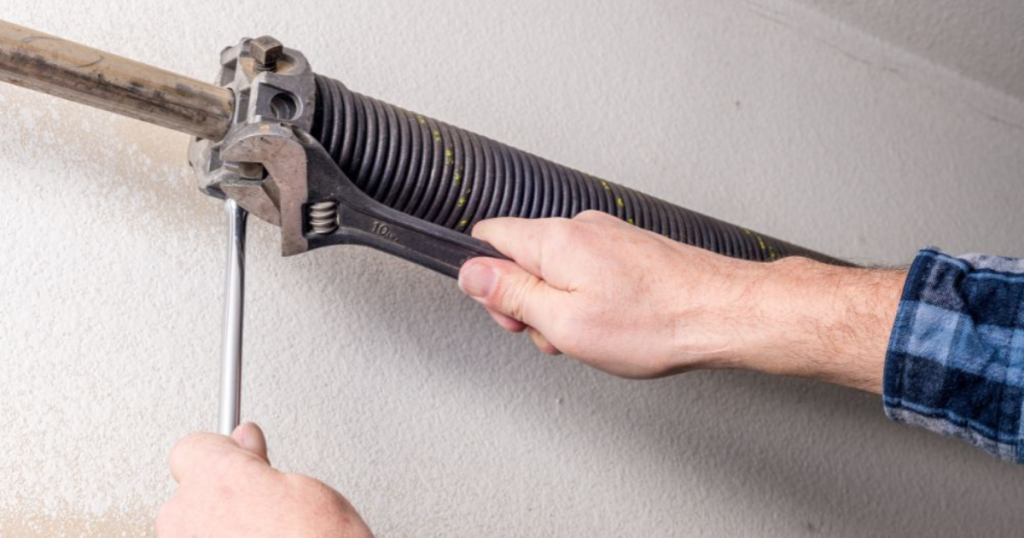
When one of these springs fails, the system’s balance is disrupted, which can cause the door to stop operating. In many cases, timely garage door spring repair is the only way to restore proper function and prevent further damage. A broken spring can interrupt your daily routine by trapping your vehicle inside the garage or leaving your home more vulnerable than intended.
Understanding why garage door springs fail helps homeowners respond quickly and confidently when problems appear. Springs wear down over time due to repeated use, thermal cycling, and metal fatigue, even when the rest of the system appears fine. Recognizing the importance of professional repair helps prevent issues from escalating into safety hazards or costly secondary damage. This awareness helps ensure a safer home environment and keeps your garage door operating reliably day after day.
The Critical Role of Garage Door Springs
The main types of garage door springs, torsion and extension, are engineered to perform the demanding task of counterbalancing the entire door’s weight. This critical function enables you to open and close a door weighing hundreds of pounds with minimal effort, ensuring smooth operation day after day. Without functional springs, the garage door system cannot work as intended. These components handle the heavy lifting, ensuring the garage door opener is not strained beyond its capacity.
Whether your system uses torsion or extension springs, their role remains the same: to provide the controlled force necessary for reliable movement. Torsion springs are typically mounted above the door and work by twisting, while extension springs are located on either side and stretch to provide lift. Understanding the differences between these two types of springs can help you identify potential issues and address them promptly. Regular maintenance and inspection of these critical components can prevent unexpected failures and ensure your garage door operates safely and efficiently for years to come.
Notice the early warning signs that indicate your garage door spring is beginning to lose strength before failure occurs by reading: The Early Clues Your Garage Door Spring Is Losing Strength.
How Springs Support Daily Garage Door Operation
The primary job of your garage door springs is to make the massive weight of your overhead door feel surprisingly light. They store and release a tremendous amount of energy, effectively neutralizing the force of gravity on the door panel. This counterbalancing act enables you to lift the door manually without significant strain or allows the opener motor to lift and lower it effortlessly. Without this support, the garage door opener would quickly fail under the immense load.
There are two main types of garage door springs used in residential settings: torsion springs and extension springs, each functioning slightly differently. Torsion springs are mounted on a bar above the door and use torque to lift it, making them ideal for heavier doors, while extension springs are located along the sides and stretch to provide lifting power. The best type for your home depends on your door’s size, weight, and the amount of clearance available in your garage.
Ultimately, these garage door components are essential to the consistent, reliable operation of your entire garage door system. They work in tandem with the cables and opener to ensure your door moves smoothly and predictably every time you use it.
Learn what experienced technicians inspect and evaluate during professional garage door spring repair by reading: What Skilled Technicians Check During Garage Door Spring Repair.
Safety Functions and Importance in Your Home
Beyond convenience, garage door springs are vital to household safety; their failure can create hazardous situations. These springs are under constant tension, and if one breaks unexpectedly, it can release its stored energy with significant force. This sudden release poses numerous safety hazards, making professional handling a non-negotiable requirement for any repair. Attempting to adjust or replace these components without proper training and tools can lead to serious injury.
The risk of accidents increases significantly when springs are worn or broken, creating hazards every homeowner should be aware of. The most common dangers include:
- A door that can slam shut without warning.
- Springs or cables that can snap and fly off.
- An opener motor that can overheat and pose a fire hazard.
- An uneven door that can fall off its tracks.
A broken spring immediately compromises the built-in safety mechanisms of your garage door system, transforming it from a convenience into a liability. It is never safe to operate a door with a broken spring, as the risk of the door falling is exceptionally high. Always hire a professional rather than attempting a repair yourself.
Know when a garage door spring problem reaches the point where repair is no longer optional and immediate action is needed by reading: When a Garage Door Spring Issue Stops Being Optional to Fix.
Warning Signs Your Garage Door Springs May Need Replacement
Being attentive to the early warning signs of spring failure can help you address garage door issues before they escalate into a complete breakdown. You may notice subtle changes in your door’s performance or visible damage that indicates a problem is developing. Ignoring these indicators can lead to a sudden and inconvenient malfunction that compromises your home’s security.
Recognizing the signs of a broken garage door spring allows you to seek a professional evaluation before the issue compromises safety or usability. Warning signals such as loud noises, uneven movement, or visible spring damage indicate the system is no longer operating as intended.
Guidance from the U.S. Access Board highlights the importance of reliable door operation and safe movement clearances, outlining the need to address these symptoms promptly to maintain functionality and user safety.
Difficulty Opening, Closing, or Uneven Movement
One of the most common signs of a failing spring is a significant increase in the effort required to operate the door manually. If your door suddenly feels extremely heavy, it is a clear sign that the springs are no longer counterbalancing its weight. This issue places immense strain on the opener motor, which is not designed to lift the full weight on its own and can lead to its premature failure if not addressed.
You might also observe that the door’s movement has become erratic or unbalanced, which is another critical symptom of spring trouble. This uneven door movement is not just an annoyance; it may indicate that a complete spring replacement is necessary to restore safe operation. The key indicators to watch for include:
- The door is opening or closing crookedly.
- Jerky or halting movements during operation.
- The door opens only a few inches before stopping and reversing.
- The door was falling shut faster than usual.
When your garage door opens only a few inches and then stops, it is often because the safety sensors on your opener detect excessive resistance from a broken spring and reverse the door to prevent damage. This is a clear sign that the springs are no longer providing sufficient support.
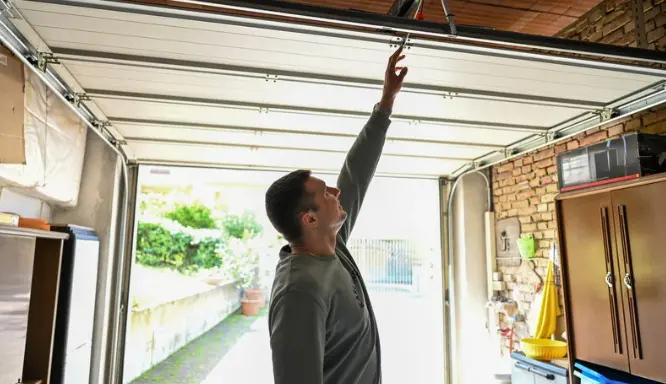
Visible Damage Such as Gaps, Rust, or Separation
A straightforward visual inspection can often confirm whether your garage door spring needs repair or replacement. For a broken torsion spring, the most obvious sign is a visible gap of a few inches in the coil, indicating the spring has snapped in two. This break completely removes the tension required to lift the door, rendering it inoperable and extremely heavy.
Another clear sign of deterioration is visible rust or corrosion on the spring coils. Rust weakens the metal over time, making the spring brittle and highly susceptible to snapping under the immense pressure it endures. This is particularly common in areas with high humidity or during harsh winter months. Check the springs above or on the side of the door for these telltale signs of wear.
If you are unsure what to check, a technician can quickly identify the type of spring and any signs of damage. Observing these issues is a clear sign that your springs have reached the end of their functional life and require immediate attention from a qualified expert.
The Importance of Timely Broken Spring Replacement
Addressing a failing spring promptly with a timely repair is essential for preventing a chain reaction of additional garage door problems. Delaying service places extra strain on critical components like the opener, cables, and tracks, often turning a manageable issue into a far more expensive repair. Guidance from Angi reinforces that taking a proactive approach not only protects your budget but also ensures your garage door remains safe, reliable, and ready for everyday use.
Promptly scheduling a repair or garage door replacement also helps you avoid accidents caused by an unbalanced door or a failed spring. Acting quickly restores your garage’s security and functionality, reducing the risk of being stuck with an inoperable door.
Preventing Costly Repairs with Regular Maintenance
Regular maintenance is the most effective way to extend the life of your garage door springs and prevent unexpected failures. A routine inspection allows a professional to identify and address minor issues or signs of wear before they escalate into larger problems that require expensive repairs or even emergency garage door service. This proactive care is critical during the winter months, when extreme temperature fluctuations place additional stress on metal components and increase the risk of sudden spring failure.
Scheduling annual garage door maintenance with a professional service ensures every part of your system is checked for safety and performance. Technicians can spot subtle issues that are not always obvious to the untrained eye, giving you peace of mind. Consistent care helps you get the most out of your investment and prevents the inconvenience of a sudden breakdown.
Timely Garage Door Spring Replacement
Understanding the critical role of garage door springs in your garage door’s overall functionality is essential for safety and convenience. Recognizing the warning signs that these springs may need replacement can help prevent future inconveniences and potential hazards. Timely replacement and regular maintenance are vital in avoiding costly repairs and ensuring the longevity of your garage door system.
Ascension Garage Door Service focuses on keeping your garage door safe, dependable, and built for long-term performance. From quick repairs to full installations, every service is completed with attention to quality and reliability. The goal is to deliver results that provide confidence and lasting peace of mind.
Contact us today or give us a call to schedule professional garage door service.